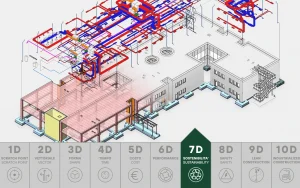
We approach sustainability as a strategic choice: reducing environmental impacts, improving performance and increasing efficiency across the full life cycle of our projects. From the natural environment to the quality of infrastructure, we embed method, research and innovation into our design decisions.

Sustainability as a Business Strategy
We integrate environmental responsibility, design rigour and technological development to deliver sustainable construction over time
Performance and Life Cycle
Life Cycle Assessment (LCA), Life Cycle Costing (LCC) and NZEB standards
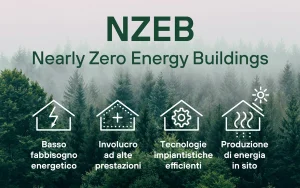
A life-cycle approach enables the assessment of environmental impacts, costs and energy performance throughout every design stage of a building. Through LCA and LCC methodologies and design aligned with NZEB (Nearly Zero Energy Building) standards, we steer technical decisions towards efficient, durable and sustainable solutions - enhancing the quality and reliability of buildings and infrastructure over time.


Expertise for Sustainability
LEED, EGE, CAM and Envision for measurable environmental targets
Sustainability in engineering requires certified competence and the ability to apply it effectively. At Incide, we combine LEED Green Associate, Energy Management Expert (EGE), CAM Ecodesigner (Minimum Environmental Criteria) and Envision Sustainability Professional expertise to set concrete environmental targets, improve energy efficiency and guide projects and infrastructure towards verifiable performance standards.
Certified Company Management System
Corporate sustainability is supported by a structured organisational model that governs quality, environmental aspects and health & safety through controlled processes and legal compliance. This approach reduces risk, strengthens the reliability of decisions and ensures consistency between strategy, design and delivery.
Social Responsibility and Inclusion
Gender equality, safety and a responsible organisational culture
Corporate social responsibility translates into tangible commitment to people: continuous training, workplace health and safety, participation and gender equality. An inclusive, well-structured professional environment improves process quality, organisational stability and the ability to generate sustainable value for clients and territories.
New Frontiers of Innovation
BIM, AI and parametric design for more efficient, sustainable processes
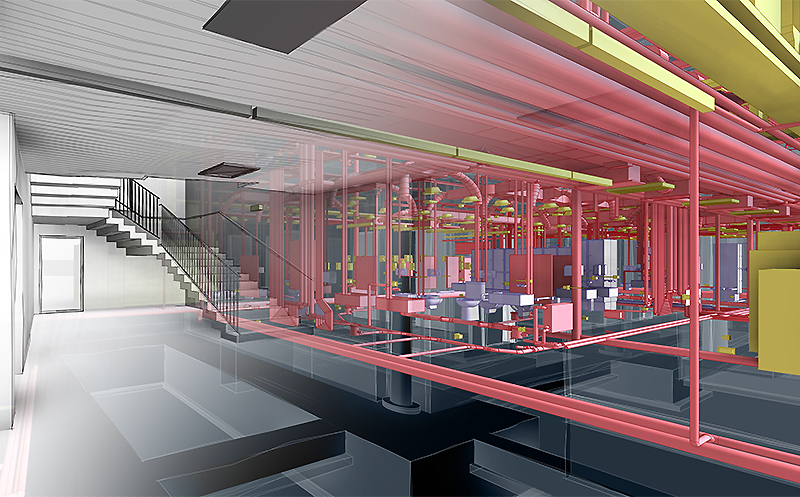
BIM, artificial intelligence and parametric design support sustainability through data control, interdisciplinary coordination and optimisation of design solutions. Technological innovation improves efficiency, quality and traceability in engineering processes, reducing errors and waste across the full life cycle of projects and infrastructure.